• Home
  • Animals Farms Products
  • Pricing
  • Websites
  • List your animals
    • Sign In
    • Sign up - Get started
    • Help & Support
    • Herd Management Website Hosting About Openherd

Search Animals for Sale

  • Alpacas (8311)
  • Goats (395)
  • Swine (10)
  • Yak (85)
  • Sheep (95)
  • Dogs (28)
  • Llamas (40)
  • Chickens (18)
  • Cattle (15)
  • Miniature Cattle (3)
  • Rabbits (23)
  • Horses (32)
  • Miniature Horses (15)
  • Ducks (5)
  • Donkeys (16)
  • Birds (3)
  • Geese (2)
  • Quail (1)

— The Openherd Team

Browser not Supported

Please update your browser to a current version of

  • Google Chrome
  • Mozilla Firefox
  • Microsoft Edge
  • Opera
Tierra Prometida Alpaca Ranch - Logo

Tierra Prometida Alpaca Ranch

....a promise for the future

Share
  • Email a Link
  • Share on Facebook
  • Share on X
  • Pin on Pinterest
Save
 Photos
The Deschner Family Alydar Tierra Prometida Alydar's Fleece 2023 Snowmass Elite Legend--Bringing Legends to TEXAS Alydar Judges' Choice Futurity 2021 Alydar Nationals 2023
Rhonda and Kern Deschner
4805 FM 32
Fischer, TX, 78623
512-753-9962
www.alpacausa.com
Facebook
💬

Member of

Alpaca Breeders of the RockiesTxOLANAlpacas of Oklahoma
  • About
  • Animals
  • Products
  • Photos
  • Blog
  • Articles
  • More
    • Benefits of AOA and Affiliate Membership
    • The Alpaca Breed Standard
    • EPD's and Stuff
    • Alpaca FAQs
    • The Alpaca Industry
    • The A, B, C's of theStrategies For Success in the Alpaca Business
    • About Our Ranch
Book a farm event >
FarmBlogA little Alpaca History
Share
  • Email a Link
  • Share on Facebook
  • Share on X
  • Pin on Pinterest
Save
Tierra Prometida Alpaca Ranch - Logo
Alpacas53
  • Breeding Chart
  • Foundation
    • Huacaya11
  • Breeding Stock
    • Huacaya Females31
    • Huacaya Males17
  • Herdsires
    • Huacaya12
  • For Sale
    • Huacaya Bred Female9
    • Huacaya Open Female12
    • Huacaya Male14
    • Huacaya Fiber/Companion2
  • Sold304
Products7
  • Clothing & Apparel1
    • Hats1
      • Knitted Hats1
  • Home & Garden5
    • Rugs & Carpets5
      • Rugs5
  • Fiber & Yarn1
    • Yarn1
      • Worsted. #41


Proud Member of

Alpaca Breeders of the RockiesTxOLANAlpacas of Oklahoma

Featured Items

Photo of Red Granites Alydar by Val D Lsere
Red Granites Alydar by Val D Lsere
Dark Rose Grey
The WHOLE Package
Stud Fee: $5000
Photo of TP Elixane by Alydar
TP Elixane by Alydar
Medium Rose Grey
Beautiful Roan Alydar daughter
$13500
Photo of Amber Autumn Nugget
Amber Autumn Nugget
Light Fawn
$7500
Photo of FT Wild Thing
FT Wild Thing
True Black
Stratton Daughter
$10000

Monday, January 14, 2013

A little Alpaca History
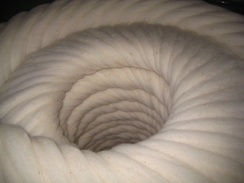
Beautiful alpaca tops

Beautiful alpaca tops

Alpacas 101: A Little History by Kern Deschner

In the early 1800’s, entrepreneurs were exporting sheep wool from Peru to the British textile mills. The importers in Portsmouth became fascinated with the incredible material used to make the sacks for shipping the wool. They found the source to be alpacas high in the Andes. Since the South Americans used most of the alpaca fiber, the little that was allowed for Europe was highly treasured and started a high-end fabric industry still growing today.Alpacas have been domesticated for several thousand years, originating from the Vicunas that still are wild in the Patagonia. Surviving on some of the worst forage in the world, alpacas were a kind of domesticated “South American Buffalo”. They were used for meat (dried alpaca meat may be the source of the word “jerky”), and the fiber. The mummies of the ancient royalty were wrapped in alpaca fiber of a fineness rarely matched today. When the Spaniards conquered the Patagonia, subjugating the natives was achieved partially by killing their alpacas. The alpacas that escaped went in the mountains, and were considered extinct by the outside world until the British found the sacks. As recently as this last century, Peruvian terrorist bands would punish uncooperative villages by slaughtering their alpacas. For now, alpacas have experienced resurgence in Peru, Bolivia, and Chile, and have been exported to thriving colonies in Australia, Canada, and the United States. Alpacas are shorn once a year for their extraordinary fleece. They are gregarious herd animals, known for their gentleness, alertness, and curiosity. Alpacas have one offspring, known as a “cria”, per year. Alpacas do not have mates, and breeding only occurs when the female (dam) is receptive to an available male. Gestation is nearly a year and females may stay pregnant most of their lives. Relatively defenseless, alpacas can only run from a predator. The alpaca’s one nasty habit, the infamous “spitting”, is uncommon and is usually directed at another alpaca. Unwary humans may get caught in the crossfire but experience teaches alpaca ranchers to know when to stay clear. An alpaca’s overall “cuteness”, however, is its’ most infectious quality

BIO: Rhonda and Kern Deschner are experienced alpaca ranchers raising alpacas through all kinds of Texas weather since 1997. Tierra Prometida Alpaca Ranch, found on FM32 near the Devils Backbone rest stop, can be visited by calling Rhonda at 512-753-9962, or at [email protected].

© 2026 Openherd Terms Privacy
More info
List your animals

Openherd

We exist to help family farms be successful.

  • About Openherd
  • Herd Management
  • Marketplace
  • Websites
  • Terms & Conditions
  • Privacy Policy
  • Facebook page

Support

100% U.S.-based email and phone support!

  • Support & FAQ
  • Join Openherd
  • Plans & Pricing

Advertise

Advertising for farms, vendors, professionals, and corporate.

  • Advertise on Openherd
  • Advertising types, costs
  • Create an ad (account required)

How Openherd Works

Our system is easy, affordable, and effective:

  • Livestock Marketplace
  • Herd management
  • Farm website hosting
  • All managed in one place!
  • Learn more List your animals!

Website Hosting

The easiest farm website you'll ever have!

  • Websites
  • Website Designs
  • Domains, SSLs, Email
  • Ecommerce
  • Concierge Services
  • How to create your website
  • Why Openherd websites are best for farms